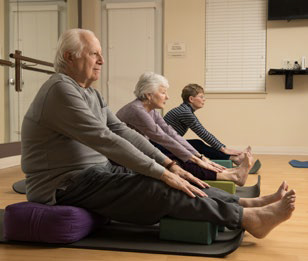
Traditional Yoga classes might not provide the modifications necessary to support a body with arthritis. Not to frown upon them but to give consumers information about the different ways Yoga can be specially taught for all the different populations of people.
MY STORY:
Since my diagnosis of Osteoarthritis within the spine and hands, Yoga has become a beneficial way to manage the pain and stiffness that I experience every day upon waking up. It wasn’t until I was 62 years of age that Yoga found me. It was not acknowledged by the medical profession as beneficial for arthritis. The short story is someone I met at a hair salon who was a Yoga Instructor told me about Yoga classes being taught right behind the Salon. It tried a class and a year later became a Yoga Instructor.
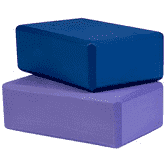
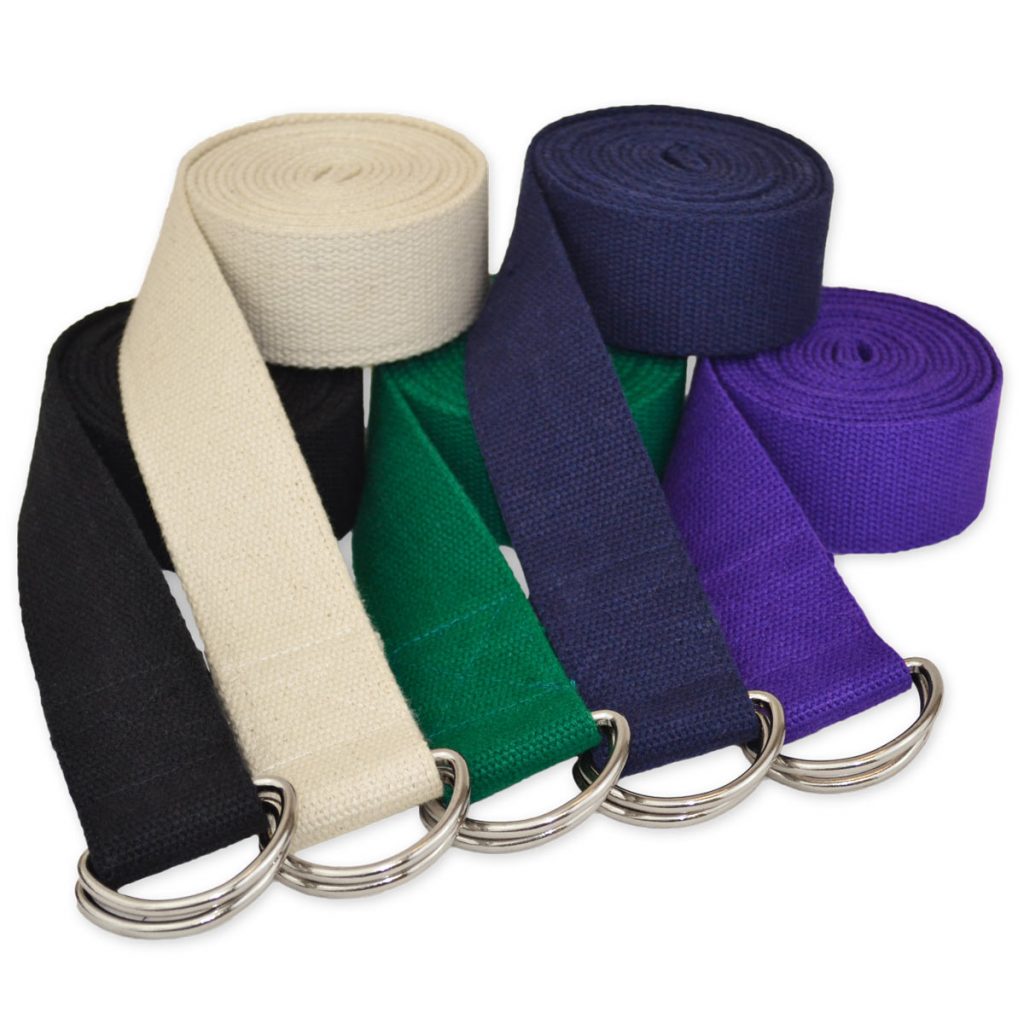
At first it was difficult for me to get into some poses but some modifications that we did using props made it better until I was able to implement most of them without using a block or strap. The best awareness that Yoga provided is the improvement with range of motion, ease of movement and overall improvement in feeling better.
I still experienced discomfort in my lower back with standing poses and forward folds. It did not improve with Hatha Yoga Class. There were several studios I tried with different types of Yoga e.g. Yin, Hot Yoga, Restorative Yoga and Ashtanga. It was not any better taking a different type of class.
My doctor ordered an MRI which showed degenerative arthritic changes in the lumbar spine. A conservative treatment was implemented taking gabapentin for the nerve impingement. This enabled me to continue comfortably with life and teach Yoga, as well as take Vinyasa classes for the next several years. One day my legs became weak and almost gave out and it was time to get surgery.
I am pain free and specialize in Yoga as a therapy for Health Coach Clients who have medical issues such as arthritis. Emerging Yoga with my Nursing Practice creates a unique symbiotic paradigm as a Holistic Nurse Healer, where together they create a healing relationship.
YOGA for ARTHRITIS
The American Arthritis Foundation provides the science behind how Yoga, when done right with correct modifications, reduces pain.
https://www.americanarthritisfoundation.org/treatments/c/rheumatoid-arthritis/b/Yoga-Modifications-That-Actually-Work-for-Arthritis
Self-Care:
* Take a Yoga class in the morning, since pain and stiffness tends to progress toward the end of a day.
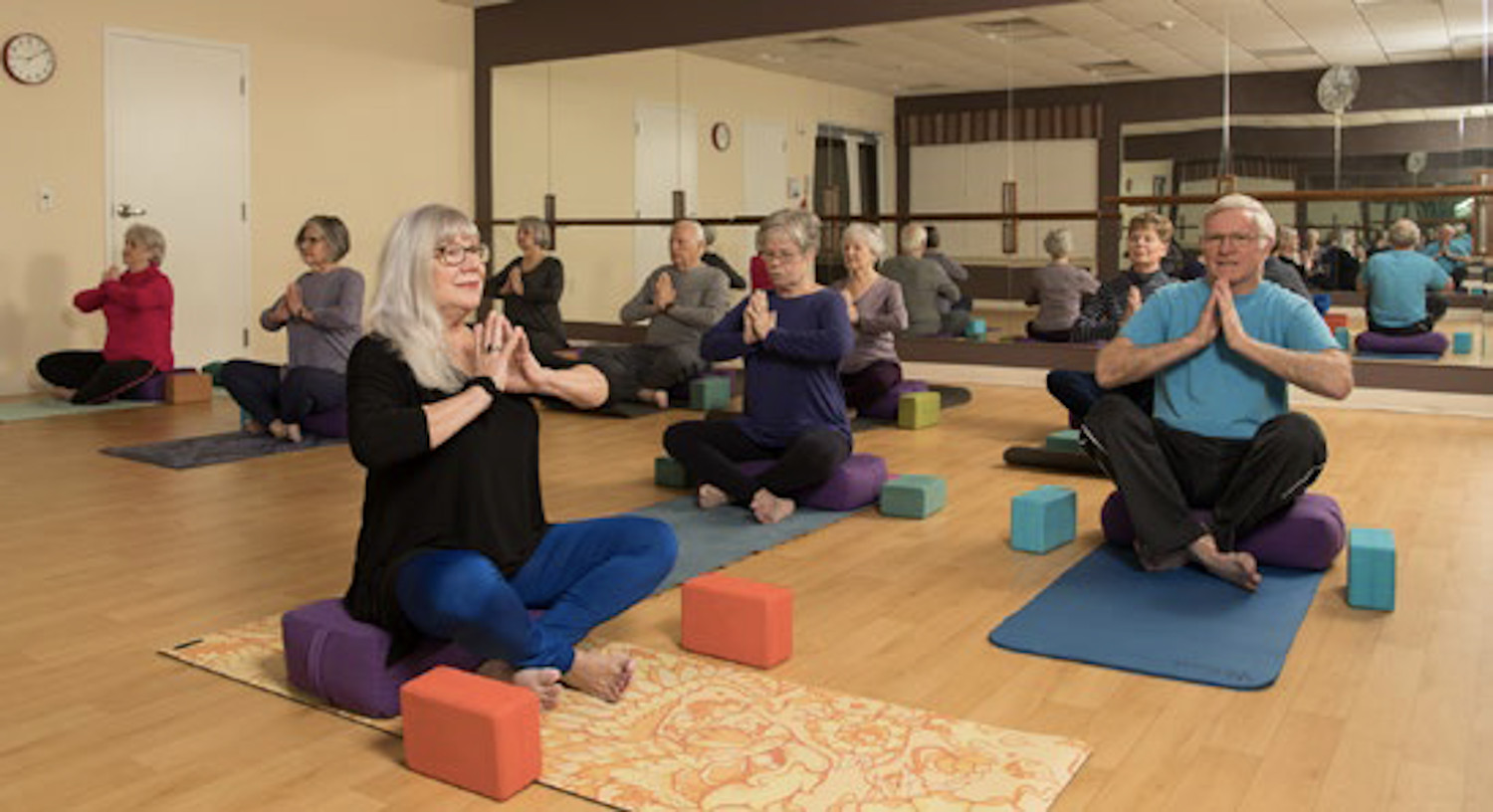
* Find a Yoga Instructor who has a certification or continuing education training regarding specific needs such as working with people who have arthritis, knee replacement(s), back surgery, hip replacement(s) and other medical/surgical needs.
* Look for Yoga Instructors who are RNs or Physical Therapists who have the most experience and exposure with a population that requires a vast knowledge of the human body.
Healing Touch:
Healing Touch techniques open blocked energy centers to allow the flow of energy. Beaulieu Yoga uses techniques such as Pain Drain and Self-Chakra Connection. These techniques are integrated within a Restorative Yoga session. Contact Judith Beaulieu at https://beaulieuyoga.com/contact.
Heat:
Saunas work best during winter months. Some Gyms have them and I use it before taking an exercise class or Yoga class. There are many other ways to apply heat that are effective. (https://www.arthritis-health.com/treatment/alternative-treatments/9-easy-ways-apply-heat-arthritic-joint)
Rest:
Make time to rest in the afternoon. Many cultures do this to recharge their energy. Skipping a 15-minute break while working depletes the body of the necessary rest it needs and only feeds inflammation, especially when you are experiencing flares. A good way to do this is to meditate. If you are able to do a mind-clearing activity such as Child’s Pose it only takes 10 minutes to clear all the activity going on inside the brain and so you can concentrate on things afterward.
Nursing Note: Risk factors for developing osteoarthritis are aging, BMI>25, repeated injuries to weight bearing joints and genetics.